

Agritainment Insurance: What Producers Need to Know About Agritourism and Farm Entertainment Exposures
Article Highlights
• Agritainment combines agriculture with entertainment, recreation, education, tourism, or hospitality.
• Examples include corn mazes, U-pick operations, hayrides, farm dinners, winery events, festivals, and weddings.
• The insurance review should follow the activity, visitor journey, responsible parties, and controls rather than rely on the attraction’s name alone.
Farms and wineries are increasingly inviting the public onto their properties for experiences that create income, strengthen customer relationships, and connect visitors with agriculture. A working property may now host a corn maze, harvest festival, farm dinner, wedding, tasting, or wine club pickup party. These activities can support growth, but they also change the operation’s risk profile.
For insurance producers and account managers, agritainment insurance begins with discovery. The objective is to understand what happens, who controls it, how frequently it occurs, how visitors interact with the property, and how responsibility is allocated among the farm and participating third parties.
What Is Agritainment?
Agritainment is the combination of agriculture with entertainment, recreation, education, tourism, or hospitality activities conducted on a working farm. The activity typically gives visitors an agricultural experience while creating supplemental income or customer engagement for the owner.
Common examples include corn mazes, pumpkin patches, U-pick operations, hayrides, farm tours, petting areas, farm-to-table dinners, weddings, harvest festivals, wine tastings, and winery pickup parties.
The defining change is not simply that a guest enters the property. It is that attracting, entertaining, feeding, transporting, or serving the public becomes part of the farm operation. Agritainment insurance is best understood as a coordinated review of the policies, endorsements, controls, and risk-transfer arrangements needed for the actual activities.
What Is the Difference Between Agritainment and Agritourism?
Agritainment and agritourism are often used interchangeably. Agritourism generally emphasizes connecting visitors with agriculture through tours, education, product purchases, or hands-on experiences. Agritainment often places greater emphasis on recreation, hospitality, and entertainment.
A vineyard tour and educational tasting may be described as agritourism. A ticketed fall festival with a corn maze, live music, food vendors, and wagon rides may be described as agritainment. From an insurance perspective, the label is less important than the details of the exposure.
Why Are Farms and Wineries Adding Agritainment Activities?
Public-facing activities can help agricultural businesses diversify income, build awareness, expand direct-to-consumer sales, create seasonal cash flow, and deepen customer relationships. A winery pickup event can strengthen wine club engagement. A corn maze can create seasonal revenue and introduce new customers to the farm.
Those benefits can also create exposures that were not present when the property was used only for agricultural production. Producers should encourage clients to discuss new activities before they launch, especially when guests, vendors, food, alcohol, entertainment, temporary structures, or transportation are involved.
Why Agritainment Creates New Insurance Exposures
Premises and Visitor Liability
There may be more to the general liability coverage. Guests may encounter uneven walking surfaces, parking areas, temporary steps, farm equipment, animals, ponds, fencing, weather conditions, or areas that were not originally designed for public access. Visitor routes and restricted areas should be clearly identified.
Events and Increased Attendance
A special event may bring a larger concentration of people to the property than ordinary farm operations. Attendance, frequency, hours, admission, supervision, security, emergency access, and weather plans help define the exposure.
Food, Alcohol, and Vendors
Food trucks, caterers, mobile bars, musicians, event planners, rental companies, and other vendors can introduce separate liability and contractual concerns. Alcohol service requires additional attention to licensing, service practices, server responsibilities, and liquor liability.
Changed Use of Buildings and Property
A barn used for storage may become an event venue. A lawn may become a parking area. The farm may add tents, lighting, sound equipment, tables, refrigeration, signs, or point-of-sale systems. The use, ownership, and value of this property should be discussed.
Transportation and Passenger movement
Hayrides, wagons, shuttles, tractors, and utility vehicles raise questions about drivers, routes, passenger controls, maintenance, loading, and whether travel occurs on public roads.
Examples of Agritainment Activities and Producer Questions
Corn Maze and Fall Festival
- How many visitors are expected each day and over the season?
- Is the maze open during daylight only, or are nighttime or haunted activities planned?
- How are emergency exits, lighting, parking, supervision, and weather closures handled?
- Are food vendors, wagon rides, animals, or entertainment part of the event?
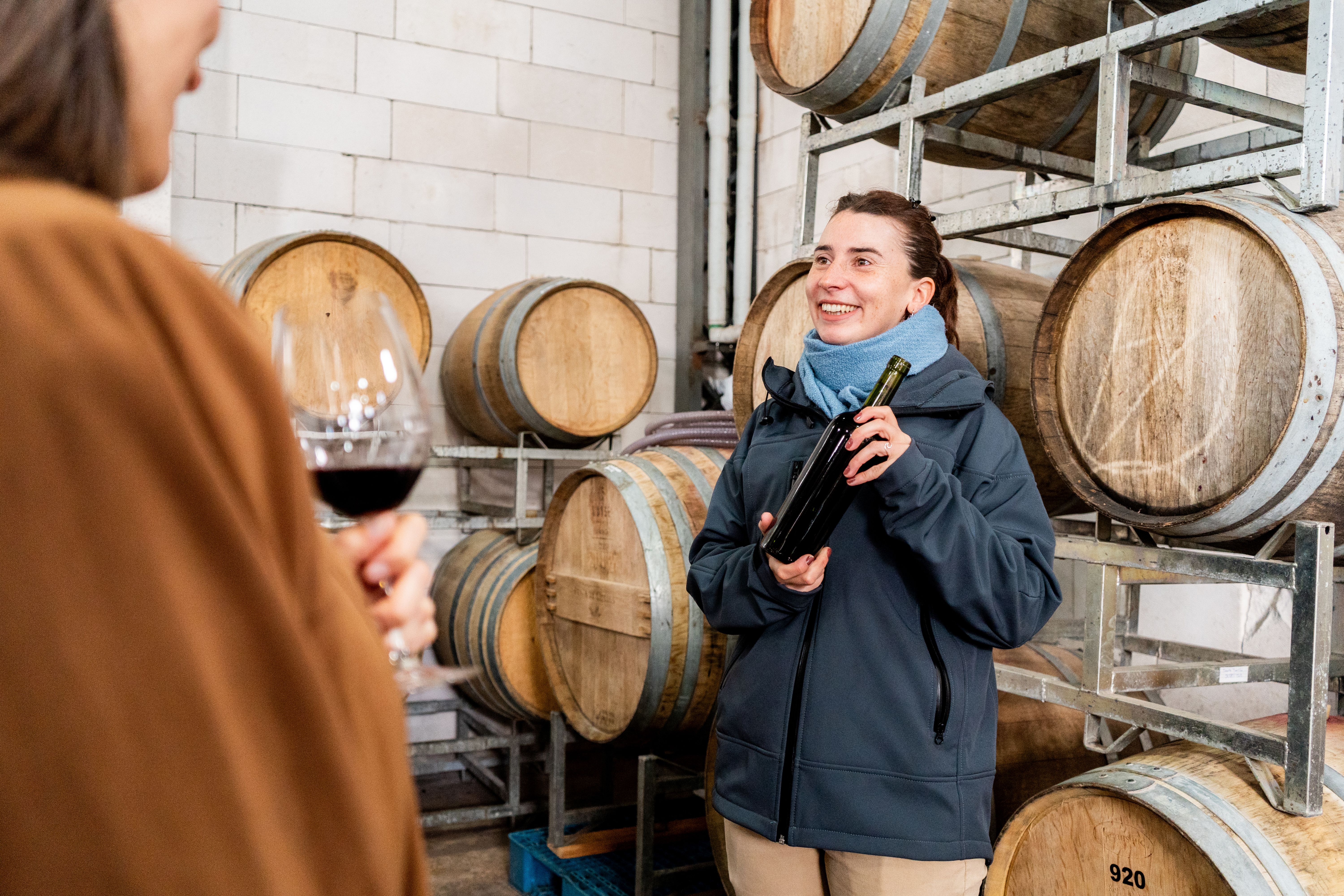
Winery Pickup Party
- How many guests attend, and how frequently are events held?
- Who controls alcohol service, and who holds the applicable license?
- Are caterers, musicians, rental companies, or mobile bars involved?
- Are production, storage, and equipment areas separated from guests?
Farm Dinner or Wedding
- Is the farm operating the event or renting the property to someone else?
- Who is responsible for food, alcohol, security, setup, and cleanup?
- Are temporary structures or electrical systems used?
- What contracts, certificates, and additional insured requirements apply?
Questions Insurance Producers Should Ask
- What activities are offered today, and what activities are planned during the policy term?
- How often do events occur, and what is the maximum expected attendance?
- Are guests charged admission, required to register, or asked to sign a waiver?
- Are food or alcohol sold, served, sampled, or permitted?
- Are children, animals, machinery, wagons, or passenger transportation involved?
- Which activities are operated by the insured, and which are controlled by third parties?
- What contracts and insurance requirements apply to vendors?
- How are parking, lighting, security, emergency access, weather monitoring, and evacuation handled?
- Have buildings changed occupancy or been improved for public gatherings?
- What losses or near misses have occurred, and what improvements followed?
Why Risk Transfer Matters for Agritainment
Not every exposure should remain with the farm. Caterers, food trucks, bands, planners, rental firms, security providers, and other participating businesses should maintain insurance appropriate to their work. Written agreements should establish responsibilities before the event begins.
Depending on the arrangement, the farm may request certificates of insurance, additional insured status, specified limits, primary and noncontributory wording, waiver of subrogation, or indemnification provisions. Contract terms should be reviewed by qualified legal counsel. A certificate is evidence of insurance, but it does not replace the contract or the underlying policy.
Frequently Asked Questions About Agritainment Insurance
Does a farm policy automatically cover agritainment?
Not necessarily. Coverage depends on the policy language, carrier, endorsements, location, and activity. Producers should disclose public-facing activities before they begin so the underwriter can evaluate how the exposure should be addressed.
What are common examples of agritainment?
Examples include corn mazes, pumpkin patches, U-pick operations, hayrides, farm tours, festivals, farm dinners, weddings, wine tastings, and winery pickup parties.
Why should producers discuss agritainment with underwriters?
The discussion helps the underwriter understand the activity, attendance, controls, responsible parties, property use, food and alcohol exposures, transportation, and risk-transfer arrangements. That information supports a more informed coverage and market decision.
Next Steps With Berkley North Pacific
If you have a client with this type of risk, reach out to your underwriter and discuss coverage options. Include the details in your insurance application. You can access our agency portal for more information. Be sure you've documented answers to the questions above. If you are looking for client resources, you can also explore more through our partners at Safety Source.
The Bottom Line for Producers
The producer’s value is the ability to translate a changing farm operation into a clear insurance and underwriting story. Begin with the visitor journey, identify each participating party, disclose the activities, and connect meaningful controls with the requested insurance solution.
Once the exposure is understood, the next step is a more detailed review of coverage areas, vendor requirements, and submission information. See the companion article, Agritainment Insurance Coverages to consider.
About Berkley North Pacific
Berkley North Pacific is a WR Berkley Company serving property and casualty insurance solutions in Washington, Oregon, Idaho, Montana, and Utah. We provide conversational underwriting and tailored insurance solutions for Small Commercial, Middle Market, Farm and Ag, and Construction markets throughout our region.
Products and services of Berkley North Pacific described above are provided by one or more insurance company subsidiaries of W. R. Berkley Corporation. Not all products and services may be available in all jurisdictions, and the coverage provided by any insurer is subject to the actual terms and conditions of the policies issued. | © 2026 Berkley North Pacific. All rights reserved.
IMPORTANT COVERAGE NOTICE: Products and services of Berkley North Pacific described above are provided by one or more insurance company subsidiaries of W. R. Berkley Corporation. Not all products and services may be available in all jurisdictions, and the coverage provided by any insurer is subject to the actual terms and conditions of the policies issued. Information in this publication is subject to change at any time. This publication provides general information only, is not legal advice, and is not a statement of contract. While reasonable care has been utilized in compiling this information, no warranty or representation is made as to accuracy or completeness. Any statement regarding insurance coverage made herein is subject to all provisions and exclusions of the entire insurance policy.
© 2026 Berkley North Pacific. All rights reserved.
Coverage Provided By: Continental Western Insurance Company | Union Insurance Company | Acadia Insurance Company | Firemen’s Insurance Company of Washington, D.C. | Tri-State Insurance Company of Minnesota